- 053-271-296, 092-965-3926
- เปิดทำการ วันจันทร์ - วันเสาร์ เวลา 08:00-17:00 น.


Packaging Trends 2026: When "Sustainability" Meets "Experience" (ENGLISH VERSION)
Packaging Trends 2026: When "Sustainability" Meets "Experience"
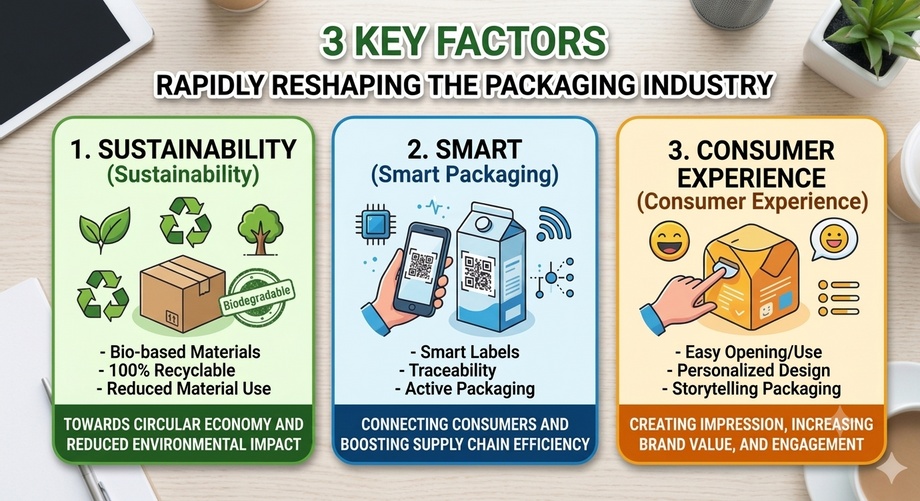
In 2026, packaging does more than just protect and contain products; it has evolved into a critical tool for crafting consumer experiences, communicating brand identity, and addressing environmental priorities simultaneously. According to global packaging industry trend reports, three core drivers are rapidly reshaping the landscape: Sustainability, Smart Packaging, and Consumer Experience.
1. Eco-Friendly Packaging: A Standard, Not an Option
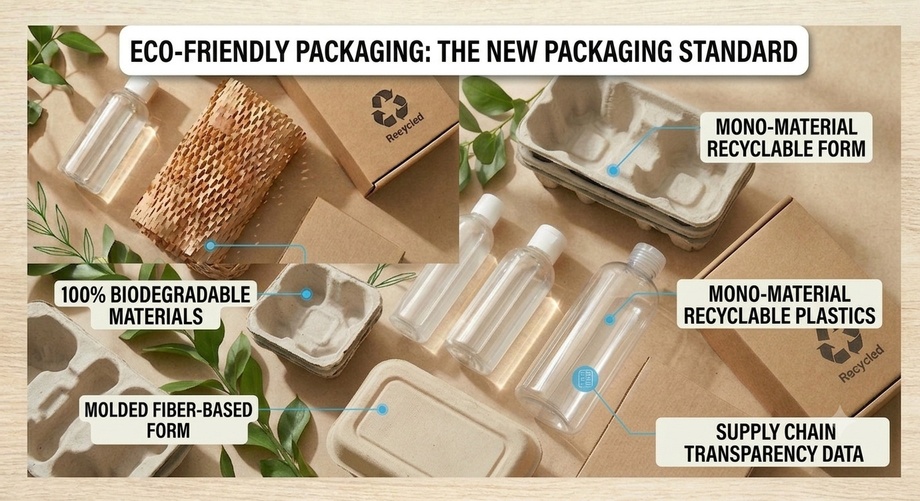
Modern consumers look beyond mere aesthetics; they prioritize materials that are recyclable, biodegradable, or derived from renewable resources. Many leading global brands are shifting from multi-layer plastics to mono-material packaging to streamline the recycling process. Additionally, there is a growing adoption of honeycomb paper, paper cushioning, and bio-based materials that offer superior environmental compatibility.
2. Smart Packaging: The Brand's Secret Weapon
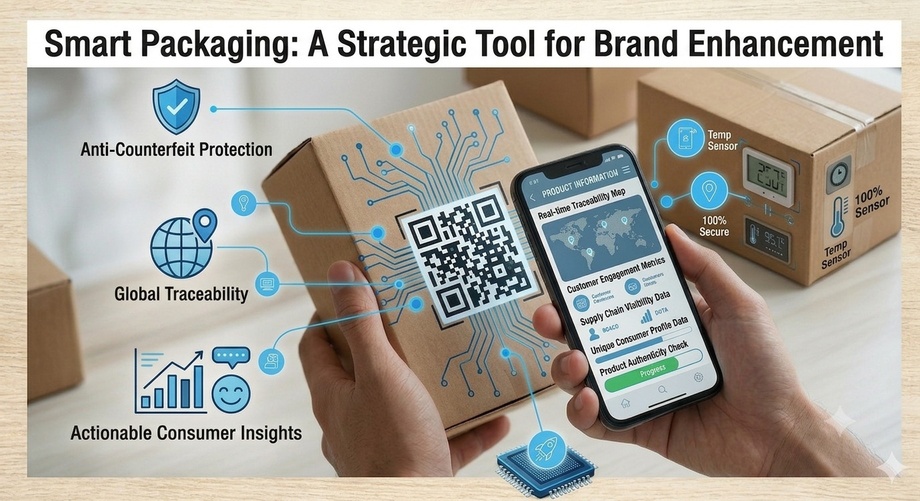
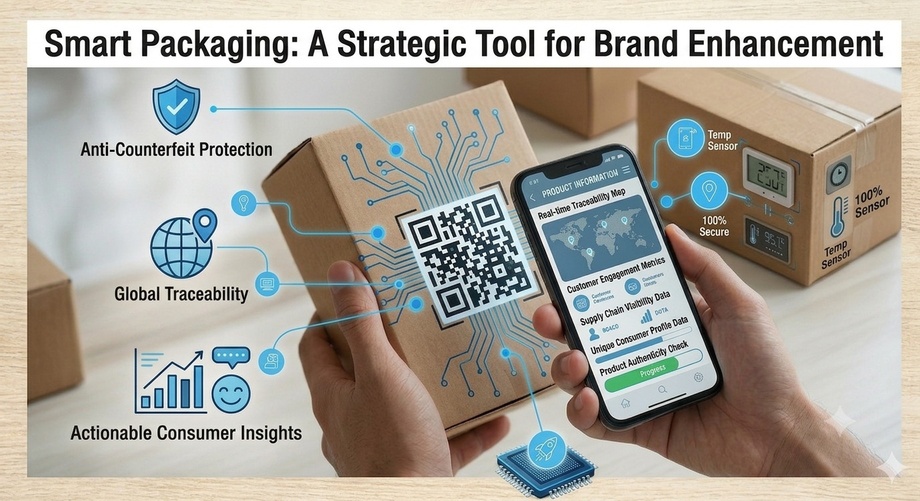
While QR codes on packaging are nothing new, smart packaging is taking a major leap forward in 2026. By simply scanning a code, consumers can instantly access comprehensive product data, traceability information, usage guides, authentic reviews, or even personalized rewards. Consequently, packaging has transformed into a direct communication channel between brands and consumers, effectively boosting credibility and fostering long-term loyalty.
3. Minimalist yet Striking Design
This year's design philosophy embraces the concept of "Less but Better." The strategic use of white space, clean typography, and uncluttered elements lends a premium and trustworthy aesthetic to products. Furthermore, there is a notable resurgence of hand-drawn lines and "human touch" illustrations. This shift toward human-centric design aims to create a distinct emotional connection, contrasting with visuals that feel overly AI-generated.
4. Logistics-Optimized Packaging
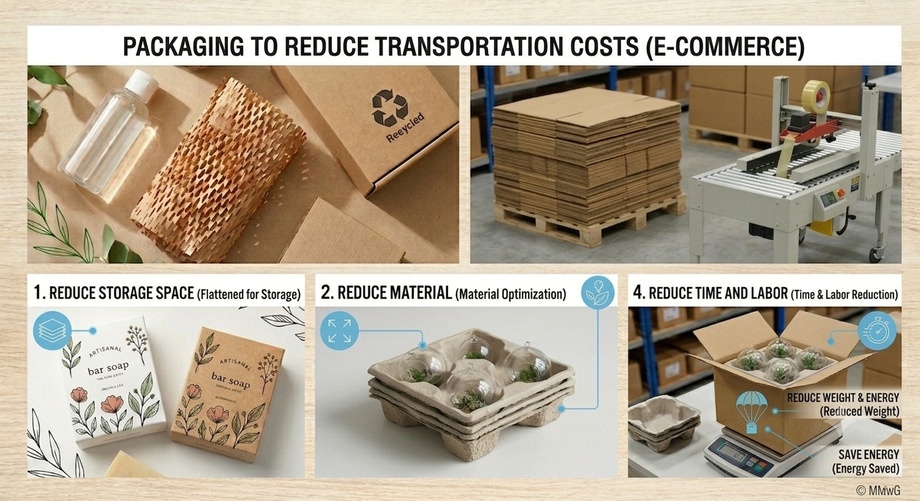
The continuous boom in e-commerce has driven businesses to prioritize lightweight, durable packaging structures that maximize cargo space. Designing right-sized packaging that minimizes internal void spaces—coupled with eco-friendly cushioning—allows enterprises to significantly reduce logistics and transportation costs.
5. The Role of AI in Packaging Design
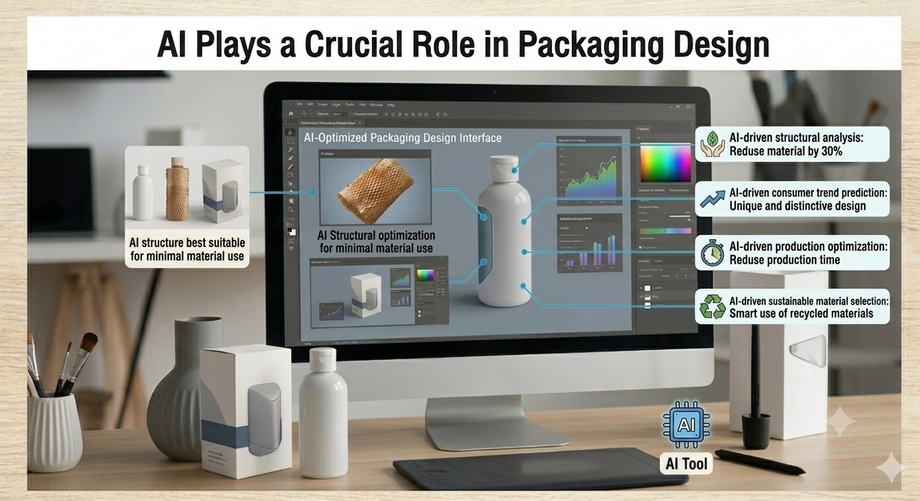
Artificial Intelligence is currently being leveraged to analyze consumer behavior, generate structural prototypes, and calculate optimal material usage. This enables brands to develop highly targeted packaging designs, curtail development costs, and minimize production waste concurrently.
The year 2026 marks a defining era where packaging must deliver value far beyond product protection. To succeed, modern packaging must be environmentally responsible, digitally connected, experience-driven, and a true reflection of brand identity. In a market where product quality is increasingly standardized, "packaging" may well be the deciding factor that leads a consumer to choose your brand over the competition.